Erie is a lake city with its own freight rhythm. Lake effect snow, tight port corridors, and a steady stream of college moves, military relocations, and snowbird migrations create a specific set of pressures for anyone shipping a car to or from the region. Picking the right carrier or broker is less about chasing the lowest price and more about understanding how Erie’s geography, seasons, and route patterns affect pickup windows, equipment choices, and risk. If you’ve never arranged Erie vehicle shipping before, the options can look interchangeable. They aren’t.
I’ve helped customers move everything from a restored Pontiac to a daily-driver with 180,000 miles, across four seasons and more than a dozen corridors through Erie. The same principles come up each time: verify accountability, match equipment to the vehicle and season, manage expectations around timing, and keep your paperwork sharp. The rest of this guide breaks those pieces down in practical terms so you can evaluate Erie vehicle transport offers with confidence.
Why Erie is its own animal for car transport
Most carriers threading through Erie are moving along I‑90 or I‑79, connecting Chicago, Cleveland, Buffalo, and the Northeast. That means two realities. First, Erie is often a pass-through pickup or drop-off between larger metro loads. Second, small shifts in weather can snowball into long delays, especially from late November through March when lake effect bands set up with little warning.
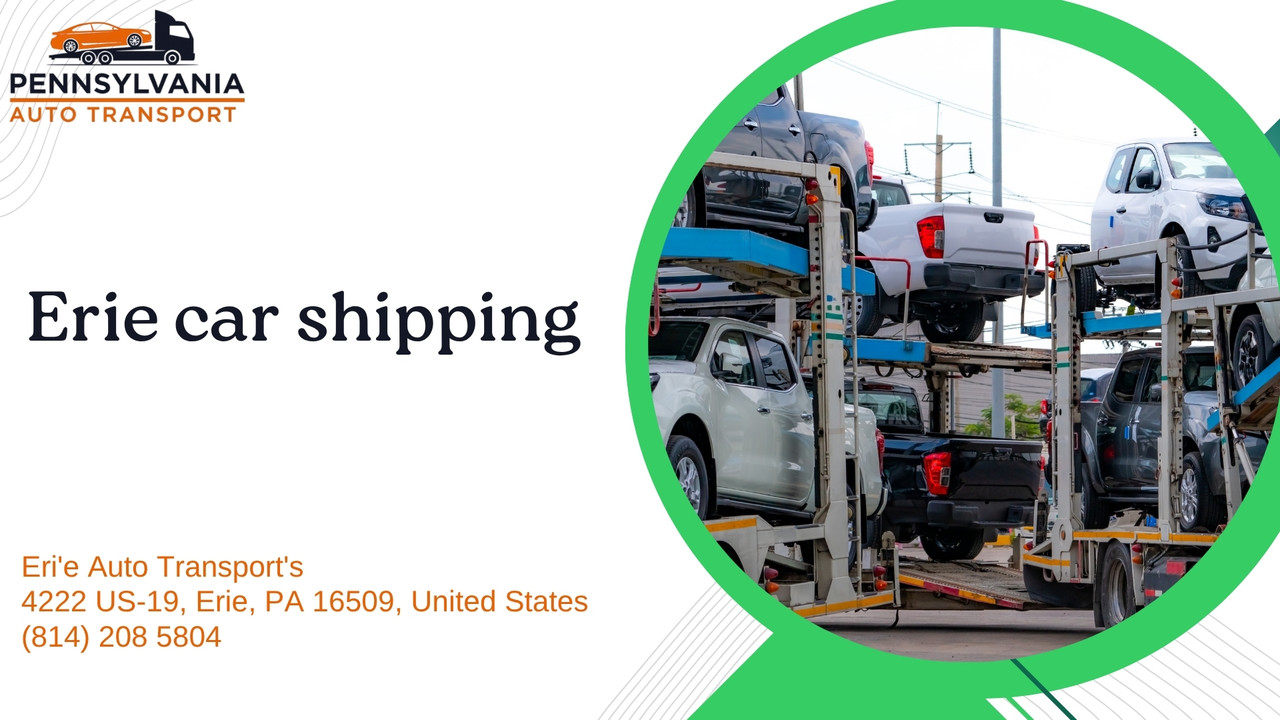
The other local wrinkle is neighborhood access and street restrictions. Many enclosed trailers run 75 feet long and can’t navigate narrow residential streets around older parts of town or the bayfront. Reliable Erie car transport companies know when to propose a nearby meeting point, such as a shopping center lot with wide turns, and how to keep you safe and insured during that handoff.
Broker versus carrier, and why it matters here
You’ll encounter two types of companies: carriers that own the trucks and brokers that arrange transport with carriers. In a city the size of Erie, direct carriers can be scarce on any given day, while brokers have visibility into multiple carriers passing through. Neither model is inherently better. What matters is how transparent they are about who will haul your vehicle, and how quickly they can pivot pennsylvaniaautotransport.net Erie auto transport companies if a truck breaks down or a snowstorm closes a stretch of I‑90.
When a broker does it right, you get access to several carriers, a realistic pickup window, and a single point of accountability. When a carrier does it right, you often pay a bit less and have fewer handoffs. Ask each company whether they own trucks, how they source carriers if they don’t, and whether they’ll disclose the USDOT and MC numbers of the assigned hauler before pickup. If they won’t, keep searching.
The insurance layer you actually need
Every legal carrier has cargo insurance, but policies vary widely. Some exclude “acts of God” such as hail or wind-blown debris, a relevant exclusion for Erie’s fast-changing storms. Others cap coverage at an amount that won’t fully cover a new EV or a premium SUV.
Request proof of insurance that lists cargo coverage limits, effective dates, and exclusions. Check the carrier’s USDOT and MC numbers on the FMCSA SAFER website to confirm active authority and insurance. If you’re shipping a high-value car or a vehicle with aftermarket modifications, ask about supplemental coverage or a higher deductible buy-down. It costs a little more, but it’s cheap compared to repainting a quarter panel or replacing a cracked panoramic roof.
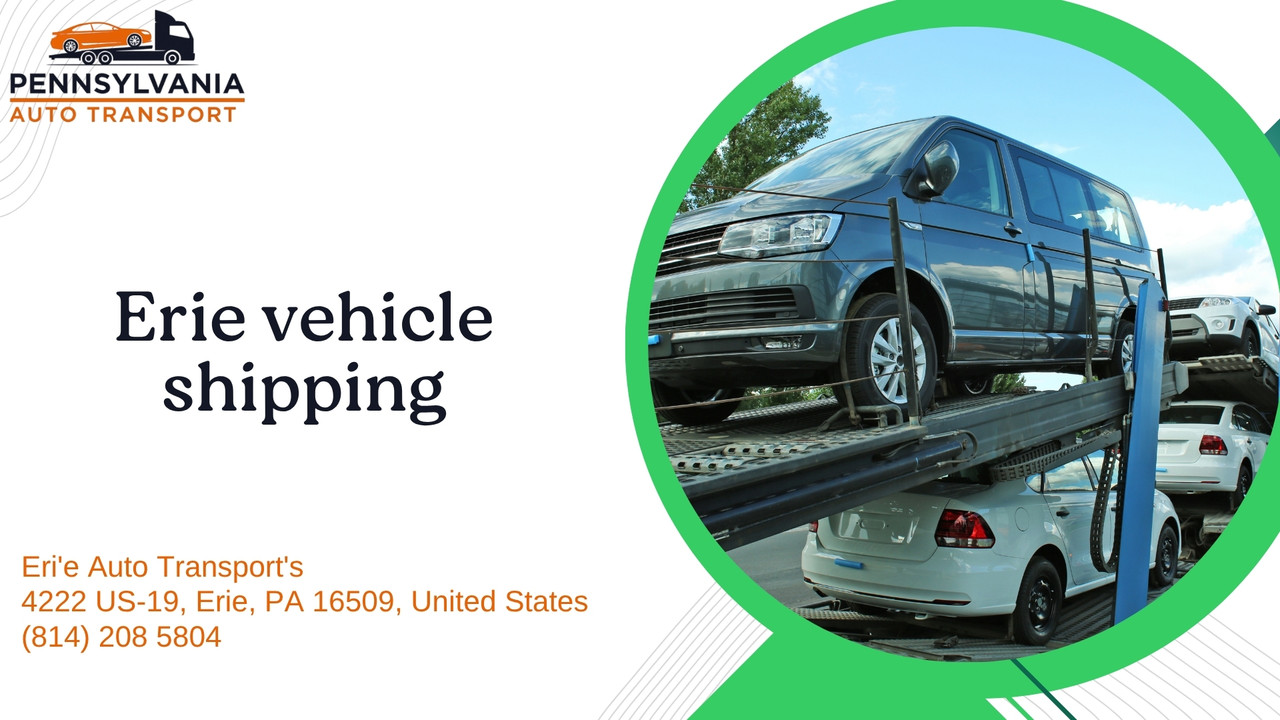
A word on enclosed versus open transport: open carriers dominate for cost efficiency and are generally safe. Enclosed makes sense for luxury or classic cars, fresh paint jobs, or any winter move where road salt and slush are concerns. If you choose open in midwinter, accept that the car may arrive dirty. That’s cosmetic, not a defect.
Timing, routes, and how to set the right expectations
Quoted pickup and delivery windows are estimates, not guarantees. In Erie, a typical open transport pickup window runs 1 to 4 days in shoulder seasons and can stretch to 3 to 6 days in peak winter weather. Long-haul routes that include Erie often stack multiple pickups and drops. Your car might be the second or third stop, which is normal but can add a day or two.
If your schedule is rigid, ask about expedited service. Expedited usually means the broker posts a higher rate to make your car more attractive to carriers on that corridor, or they place it on a smaller two- to three-car hauler. You’ll pay more. You’ll also reduce the time your vehicle sits waiting for a compatible truck.
Be careful with guaranteed dates. Some companies offer them with fine print that converts missed dates into a modest refund or credit. Decide whether the guarantee is worth the premium after reading the terms line by line.
Pricing logic that actually maps to Erie
There are four main inputs to Erie vehicle transport price: distance, supply and demand on the route, vehicle size and condition, and season. Distance is the easiest. As miles go up, the rate per mile generally goes down, but winter can compress that curve. A sedan from Erie to Buffalo might run 150 to 300 dollars in a multi-stop load, while Erie to Dallas can stretch from 1,100 to 1,600 dollars depending on the market. Those are ranges, not promises, and you should be skeptical of offers that land far below the midpoints.
Seasonal swings are pronounced here. Late fall and winter raise rates. Carriers need to account for slower driving, de-icing delays, and higher risk. Enclosed transport typically adds 30 to 70 percent over open, more for a single-car enclosed hauler. Oversized vehicles such as full-size trucks with lift kits cost more because they take up extra deck space or require specialized ramps.
Condition matters more than many expect. If a car doesn’t start, the carrier needs a winch-equipped trailer or a driver comfortable loading inoperable vehicles. That reduces the pool of carriers and bumps the price.
Reading reviews without getting fooled
Treat review hunting like interviewing a contractor. Ignore perfect five-star averages with no detail. Read the three- and four-star reviews where people often describe trade-offs honestly. In the Erie context, look for patterns: do reviewers mention missed windows during storms with professional communication and solutions, or do they describe days without updates? Are there complaints about bait-and-switch pricing where the final carrier demanded more on pickup? That last tactic happens when the original quote was never realistic for the route. A good broker will call to explain market changes and give you a choice before dispatch, not push surprises at your driveway.
Local references help. Ask whether the company has moved vehicles for dealerships, college staff, or snowbirds in the Erie area recently. Quick, concrete answers are better than generic claims.
Pick your equipment intentionally
For many passenger cars, an 8- to 10-car open carrier is fine, particularly from late spring to early fall. For valuable cars or if you’re shipping in midwinter, lean toward hard-sided enclosed or at least soft-sided with good seals. An enclosed carrier with a liftgate is safer for low-clearance vehicles such as sports cars. Ask about ground clearance and approach angles openly. If your front lip sits 5 inches off the ground, say so. You want to avoid a scrape on the loading rails.
EVs deserve a mention. Cold weather affects battery range. Make sure the car ships with at least 30 to 50 percent charge. Ask the carrier if Eri'e Auto Transport's they have EV loading experience and whether they’re comfortable with transport mode and safe tie-down points. Some EVs require wheel straps rather than frame points to avoid damage.
The paperwork and photos that save headaches
Bill of Lading, condition report, and any special instructions should be ready before the truck arrives. A clean, dated walkaround with 12 to 20 photos taken in good light, including close-ups of existing blemishes, glass, wheels, and the roof, is your best protection. Photograph the odometer, VIN plate, and any rare accessories. Note any fluid leaks. If your car sits outside during a snow squall before pickup, brush it off so the driver can inspect properly. A rushed inspection in bad weather leads to disputes later.
If you’re not present at pickup or delivery, give your proxy a short checklist and your phone number. Remind them not to sign off if they see new damage or if anything looks off. They can write exceptions on the Bill of Lading. Carriers expect that and respect it when done calmly.
Access, meeting points, and Erie’s practical realities
Downtown streets near the bayfront, the peninsula entrance, and some neighborhoods east and west of State Street can be tight for large rigs. Many carriers will propose a meeting spot like a shopping center along Peach Street or 12th Street where turns are wide and traffic is calmer. That’s not a red flag. It’s often the safest way to load without risking curb rash or fender scrapes. If you live on a steep or snowy side street, consider pre-empting the conversation and suggesting a nearby, plowed lot. You’re helping the driver do a clean job.
Confirm daylight loading during winter months when possible. Darkness plus slush is a recipe for missed blemishes on the inspection and slower, riskier loading.
Red flags that cost more later
Lowball quotes feel good until your car sits for a week because no carrier will take it at that rate. Aggressive deposits that are non-refundable regardless of dispatch status deserve scrutiny. So do vague insurance answers, pressure to sign before you see the carrier’s DOT and MC numbers, and a contract that hides arbitration clauses or hefty cancellation penalties in tiny print.
Another red flag is a company that won’t adjust expectations during storms. If they promise same-day pickup during a lake effect event without acknowledging the risk, that’s salesmanship, not operations knowledge.
How long you should plan, realistically
If you’re staying inside Pennsylvania or bordering states, allow a one to five day pickup window and one to three days for delivery, weather permitting. Coast-to-coast or deep South routes from Erie may require a pickup window up to a week in winter with a transit time of 5 to 10 days once loaded. If you’re moving for a job or college term, pad your timeline. It’s easier to store the car a day early than to scramble because the truck slid a day.
Communication habits separate professionals from pretenders
Ask how you’ll receive updates. Texts work well for quick status checks. A live tracking link is a nice extra, though not all carriers use them. What you want is a direct contact number for the dispatcher or driver once dispatched, plus a company line that someone answers during business hours. Late-night courtesy calls before a morning arrival go a long way in avoiding missed connections.
If your car is sensitive to temperature or draining batteries, clarify whether the driver can park overnight near a hotel or lot with power if needed. With EVs, a driver who understands how to put the car in transport mode and preserve charge is worth a small premium.
Seasonal strategies for Erie vehicle shipping
Winter moves reward preparation. Wash the car thoroughly beforehand so pre-trip photos show anything existing. Clean off road salt and slush at delivery before you inspect. Check wipers and seal any minor windshield chips to prevent cracks during temperature swings. Provide a spare key. For convertibles, ensure the top seals well or choose enclosed.
Summer brings construction zones and heat, which can slow traffic and raise tire pressures. Make sure your tires are in good condition, especially on classic cars with older rubber. Heat can expose weak sidewalls during long hauls.
Fall and spring are sweet spots for cost and availability. If your timeline is flexible, target these windows.
A short, practical checklist you can actually use
- Verify the assigned carrier’s USDOT and MC numbers on FMCSA’s SAFER system, and request proof of cargo insurance with limits that cover your vehicle’s value. Match equipment to season and vehicle: enclosed for high-value, fresh paint, low clearance, or midwinter; open for most daily drivers outside severe weather windows. Get a realistic pickup window and ask how the company communicates delays, especially during lake effect events. Take 12 to 20 timestamped photos in daylight, including roof, wheels, glass, and odometer; note existing blemishes on the Bill of Lading at pickup. Be cautious of quotes that undercut the market by more than 20 percent, or deposits that are non-refundable before a carrier is assigned.
How to compare two strong candidates
Suppose you have two Erie vehicle transport offers. One is a broker quoting an open carrier for 1,050 dollars with a 3 to 5 day pickup window, promising driver details 24 hours before pickup, and offering text updates. The second is a direct carrier at 1,150 dollars with a 2 to 4 day window, no broker fee, and a driver who regularly runs Erie to the Carolinas. In mild weather, I lean toward the direct carrier for simplicity. In winter or if your car is finicky, the broker’s broader carrier network can solve last-minute weather and equipment issues faster, especially if they can switch you to enclosed on short notice for an extra fee.
If both seem good, push for specifics: which meeting points they recommend near your address, how they handle a no-start vehicle at pickup, and what their average on-time performance looks like on that corridor. You’re listening for operational details, not sales flourishes.
When enclosed transport is worth every dollar
I’ve moved a freshly restored GTO in February on a hard-sided enclosed trailer with a liftgate, and the peace of mind was palpable. No slush, no salt fog, no windblown grit. The driver parked in a well-lit lot on Peach Street, lowered the liftgate, and the car never saw a ramp. The extra cost ran about 55 percent over an open quote. In that case, the owner had just spent five figures on paint and trim. One rock chip would have erased the savings. If your car is in that category, don’t hesitate.
If something goes wrong
Even with a careful plan, a new door ding or scrape can appear at delivery. Do not rush the inspection. Photograph the damage in context, note it clearly on the Bill of Lading before you sign, and notify the company immediately. Professional carriers and brokers follow a claims process through the carrier’s insurer. This is where your pre-trip photos and detailed pickup condition report do the heavy lifting. Most legitimate claims resolve within a few weeks once the paperwork is complete.
If a carrier misses the window without updates, escalate with the broker or company ops line the same day. Good operators will be transparent and propose a new plan or release you without penalty if they can’t perform.
Putting Erie in the driver’s seat of your decision
Strong Erie vehicle transport partners behave like logistics pros, not just dispatchers. They understand the I‑90 corridor, keep a realistic eye on lake effect forecasts, communicate well, and carry insurance that fits the value they haul. Whether you’re booking Erie vehicle shipping for a practical commuter or Erie car transport for a collectible, the mechanics of a safe, smooth move remain the same: confirm authority and coverage, choose the right trailer for the season and vehicle, set honest timing expectations, and document the car thoroughly.
Price matters, but reliability and accountability matter more. When those pieces line up, your vehicle arrives as it left, and the process feels straightforward rather than stressful. That’s the mark of the best Erie vehicle transport companies, and with the right questions and preparation, you’ll spot them quickly.
Contact Us:
Eri'e Auto Transport's
4222 US-19, Erie, PA 16509, United States
Phone: (814) 208 5804